

AIPre-grading · PSA · BGS · CGC · SGC

Measure the card
before you mail it.

GradeMate scores centering, corners, edges and surface on both faces of your card, against the criteria PSA, BGS, CGC and SGC publish — and gives you the grade to expect before you pay for a submission.

  • 1 free detailed scan a day
  • Nothing to mail
  • Photos deleted unless you save them

75 cards analyzed · 53 collectors already pre-gradingas of 17 September 2026View pricing →

GradeMate Vision · demoWaiting for a card
GradeMate · EstimateWaitingDrop a card
——
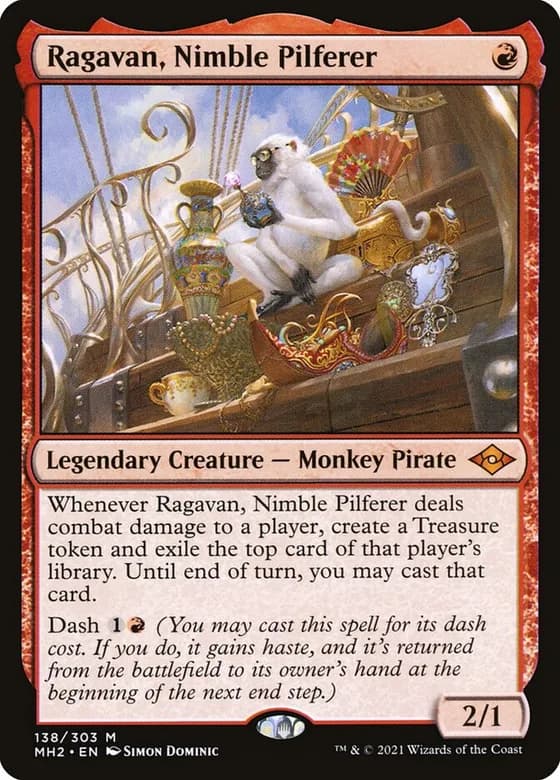
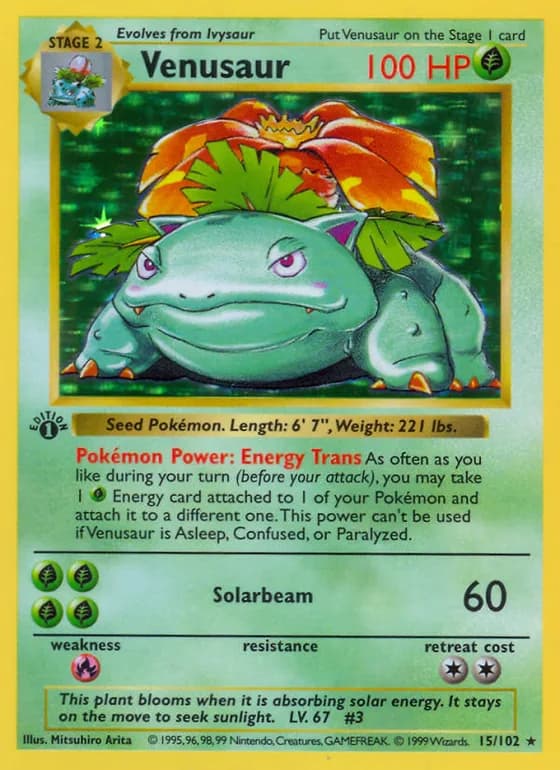
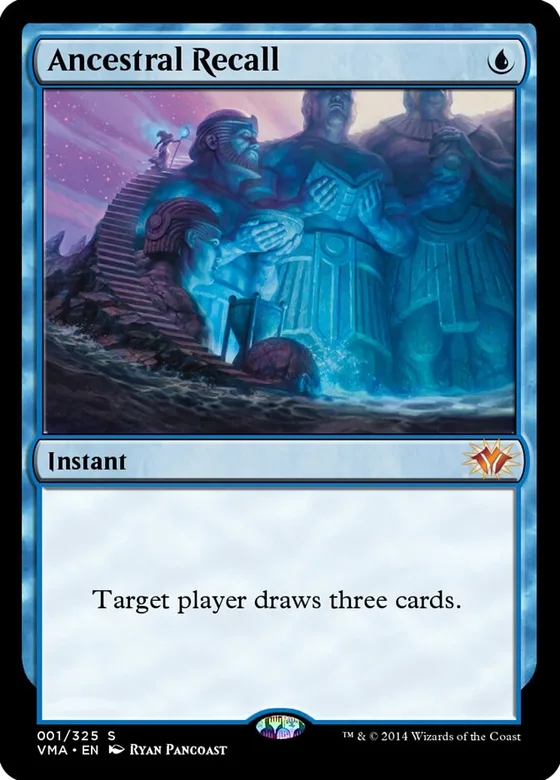
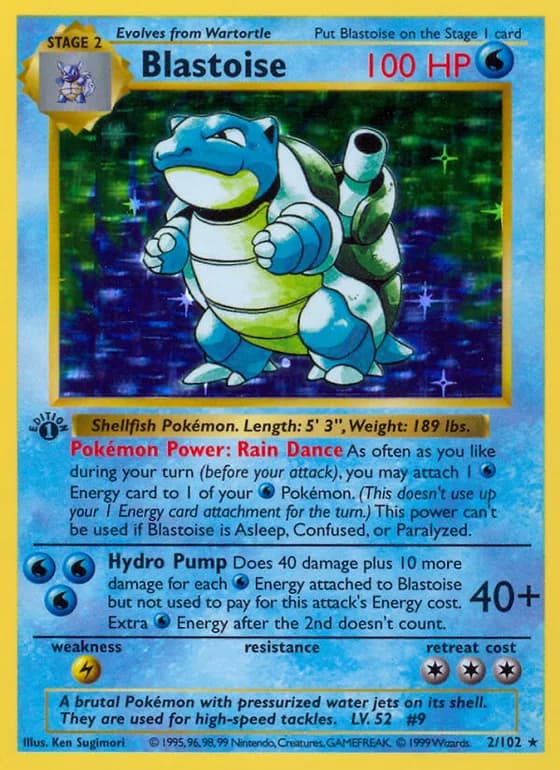
Drop a card hereDrag a sample from below — or a photo of your own card

Estimate

—

Drag a card to start the analysis

  • Centering—
  • Corners—
  • Edges—
  • Surface—
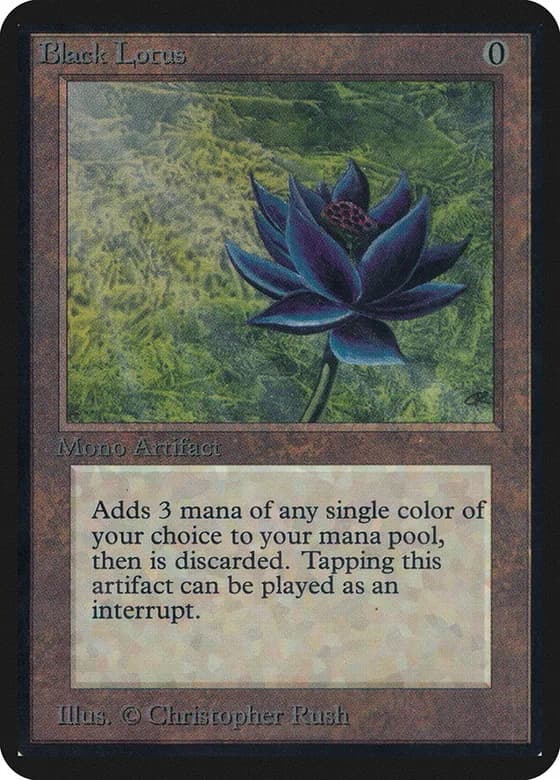
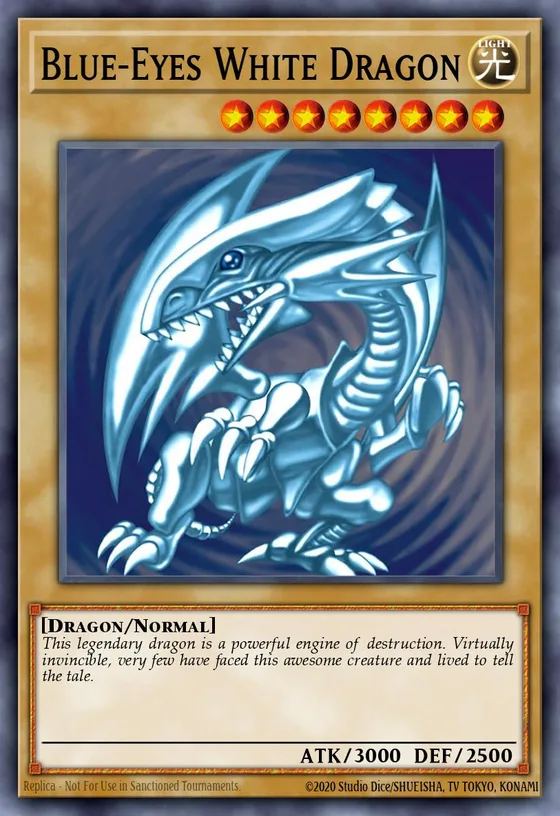
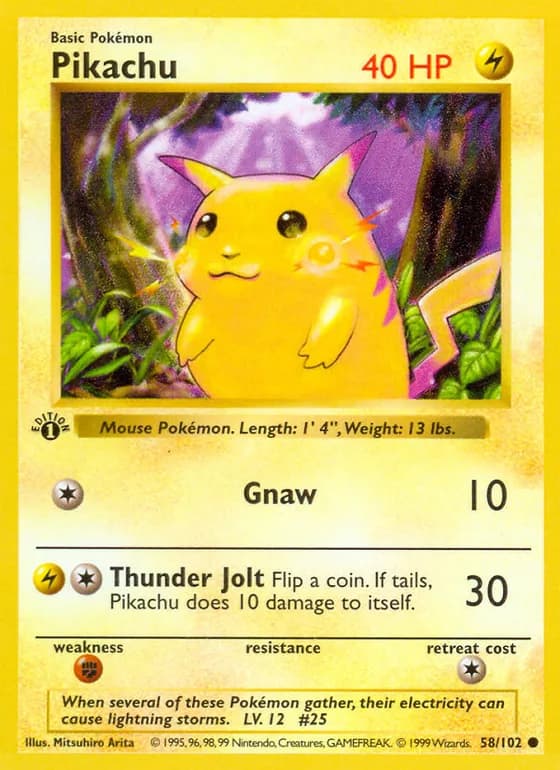
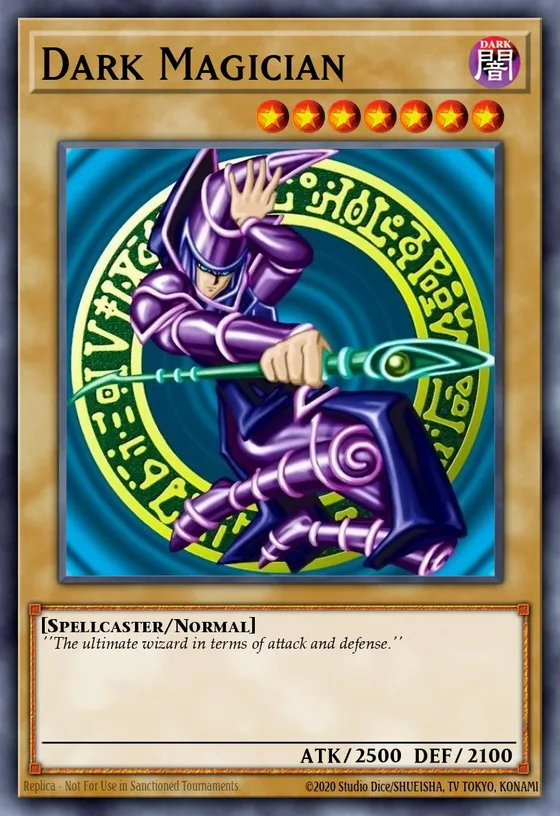
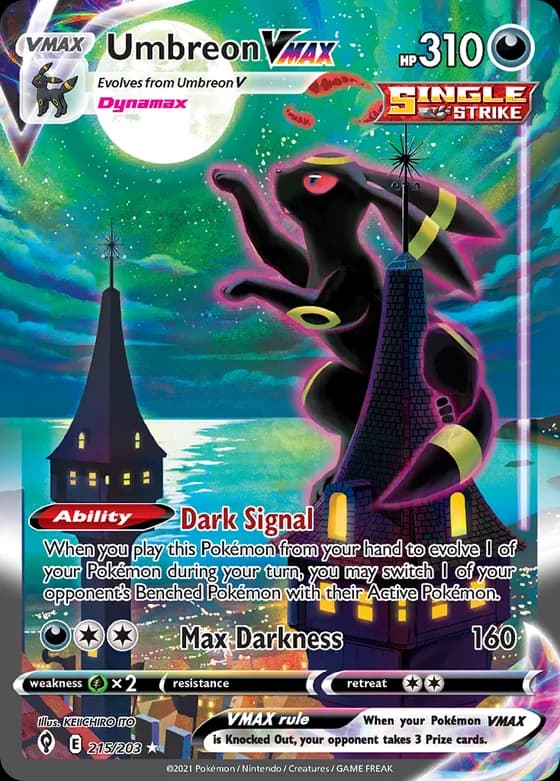
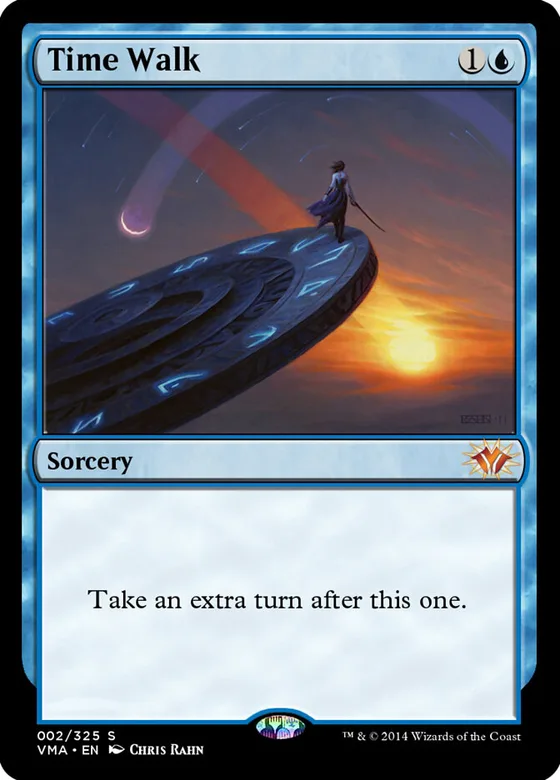
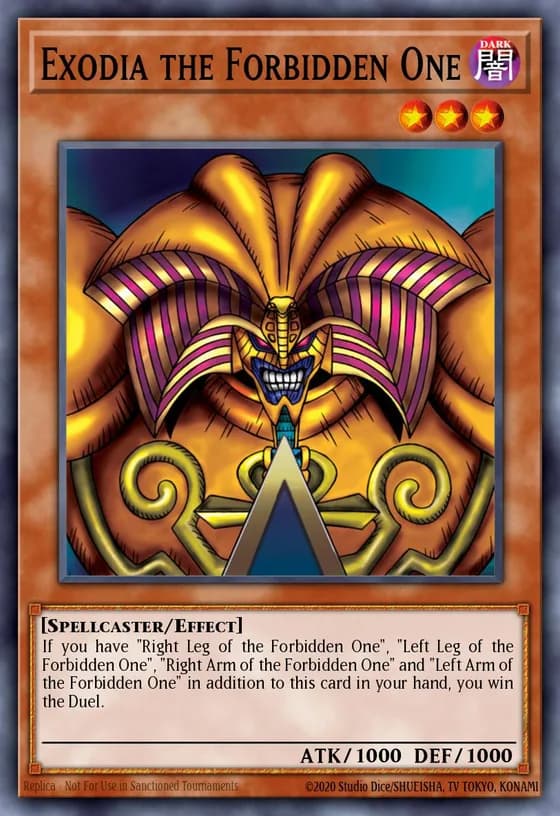
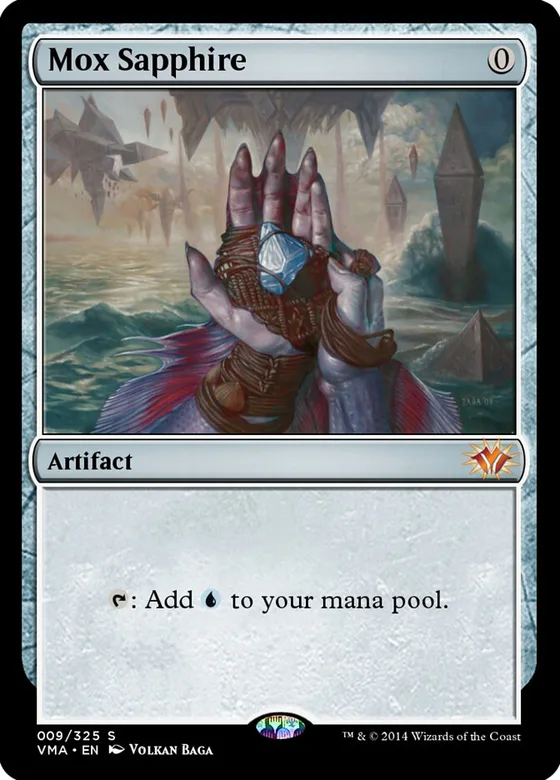
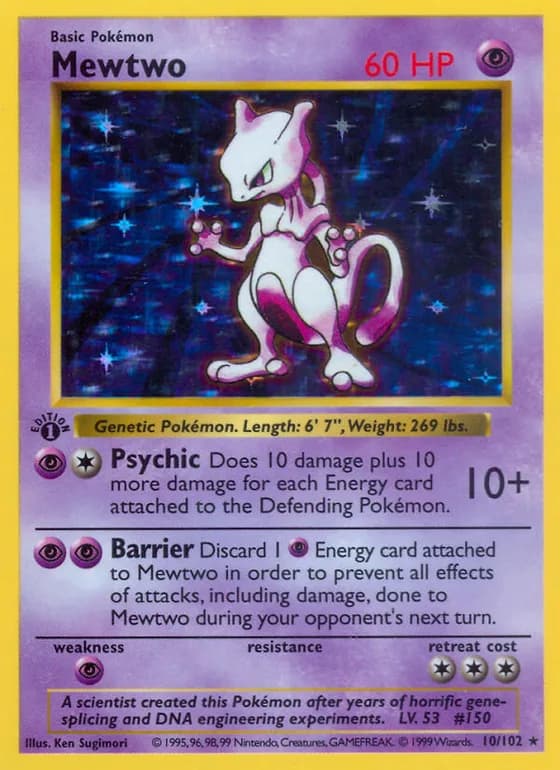
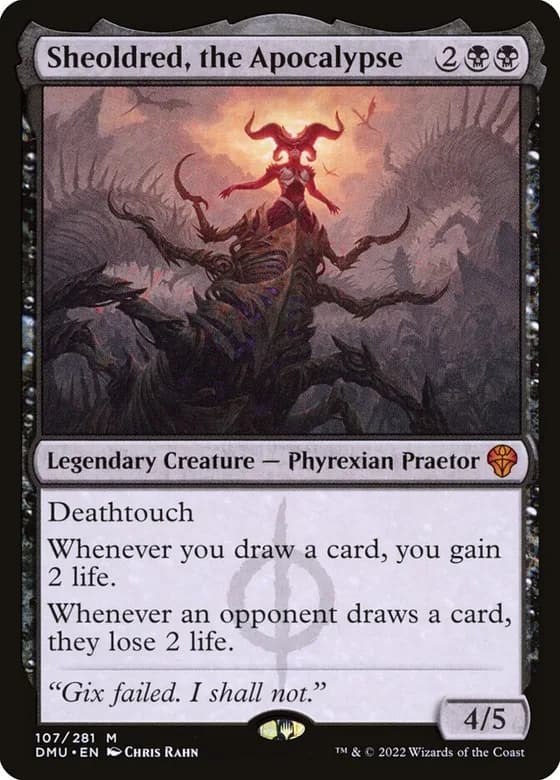
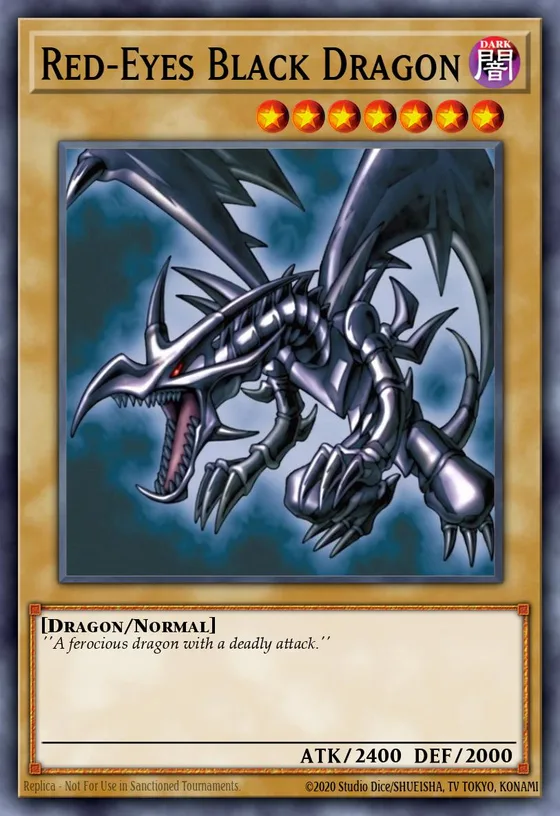
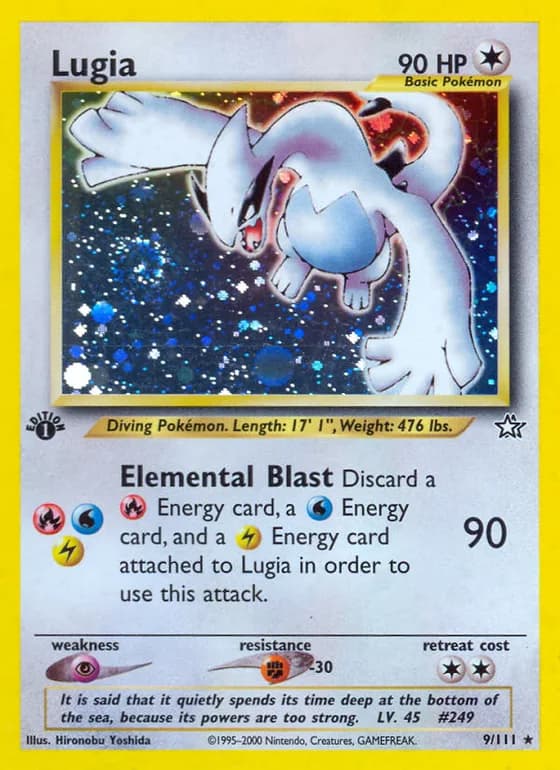
Sample cards
Demonstration data
per full analysis
≈ 30 s
sub-grades — 4 criteria × 2 faces
8
grading companies covered
13
free detailed scan, no credit card
1 / day

01 — What a grader measures

Four criteria. Both faces.

Every major grading company scores the same four things. GradeMate scores them the same way — front and back, separately, then combined — and shows you the number behind each one.

01

Centering

Left/right and top/bottom margin ratios. The most decisive criterion: at PSA, a card perfect everywhere else loses the 10 beyond 55/45 on the front, and the 9 beyond 60/40.

02

Corners

All four corners, front and back. Even microscopic whitening or softness pulls the grade down.

03

Edges

Cut quality, whitening, chipping on dark borders — the weak point of modern cards.

04

Surface

Scratches, handling marks, creases, print defects, holographic wear.

02 — How it works

From photo to estimate in under a minute.

Nothing to install. Nothing to mail until you have decided.

  1. Photograph both faces

    Diffuse light, card flat, framed tight on the edges. Photo quality drives analysis quality.

  2. Pick your company

    PSA, BGS, CGC, SGC, PCA. Each applies its own tolerances, especially on centering.

  3. The model reads the card

    Centering, corners, edges and surface are scored on each face, then the defects found are listed.

  4. Decide

    Estimated grade, cross-company comparison, indicative market value and pre-submission advice.

03 — The report

What comes back.

A precision score out of 1000, eight sub-grades, the defects that cost points — quantified — and what stands between the card and the next band.

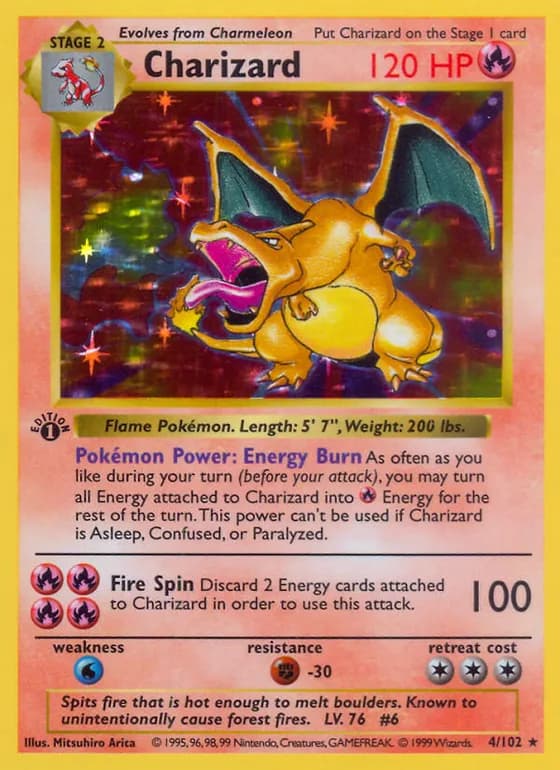
Analysis resultCharizard · Base Set · Holo · 1999

PSA 8

823/ 1000NM-MT

Confidence

82%

Eight sub-grades

FrontBack
  • Centering780835
  • Corners805880
  • Edges900915
  • Surface790930

Defects that cost points

  1. Print line across the holoFront · Surface · upper third · moderate−70 pts
  2. Centering 58/42 left to rightFront · Centering · whole face · moderate−62 pts
  3. Slight whiteningFront · Corners · bottom-left corner · minor−45 pts

Every defect located on the card

Front

123

Back

Seen, no effect on the grade

  • — Front — micro-scratch visible only under raking light
  • — Back — clean edges, 55/45 centering within PSA's 75/25 back tolerance

Measured centering

FrontL/R 58/42 · T/B 54/46
BackL/R 55/45 · T/B 52/48

For the band above — NM-MT+ (8.5)

A front re-centered under 55/45 — or a holo free of print lines — would have been enough.

27 points short

Same card, other companies

BGS8.5
CGC8.5
SGC8
PCA8.5

Precision score out of 1000 on the scale published by TAG Grading; the grade follows from it, rounded to the scale each company issues. Demonstration report built from sample data.

Scan a card — free1 free detailed scan a day · No credit card, no commitment.

04 — Method

How we keep the estimate honest.

GradeMate is new, and we publish no accuracy statistic we cannot back up. What we can do is tell you, card by card, how much to trust the number.

Calibrated on published criteria

The analysis follows the criteria each company publishes — not a single generic scale. Select PSA and you get PSA's centering tolerance; select BGS and you get subgrades.

It tells you when it is unsure

Every report carries a confidence level and flags the cards where glare, angle or resolution make a criterion unreadable. Low confidence is a result too.

It never invents a result

The model's output is constrained by a schema and revalidated before you see it. A non-conforming response raises an error, is not counted against your quota, and no fallback number is shown.

05 — Why pre-grade

Screening is the only reliably profitable lever in grading.

Avoid losing submissions

A card that comes back a 7 is often worth less than the same card raw. The grading fee is paid either way.

Pick the right company

The same card does not get the same grade everywhere. You get the estimate for your target company and a comparison with the others.

See what you cannot see

Micro corner whitening, a print defect, 3% off-center: those details separate a 9 from a 10.

Estimate the upside

Raw value against estimated graded value, so you know whether the submission makes sense.

Learn to grade

Every report breaks defects down by face. Over time you start spotting the problems yourself.

Keep a record

Your collection, predicted grades and grades actually received, all in one place.

06 — Companies

Thirteen grading companies, thirteen sets of tolerances.

The analysis is calibrated on the criteria the company you select publishes. Centering tolerances in particular are not the same everywhere.

Missing one? Write to us and we will add it. Compare PSA, BGS and CGC →

07 — Pricing

Start free. Pay only if you scan a lot.

Every day, one free detailed scan, then unlimited basic reports — every criterion, every company. Credits, which never expire, unlock more detailed scans; the Pro plan adds unlimited scans, full history, batch processing and API access.

Send to a grading company

$15–$80

per card plus shipping, weeks of waiting — PSA, BGS, CGC, SGC and PCA rates verified 29 July 2026

Pre-screen with GradeMate

$0

1 detailed analysis a day, results in ~30 seconds, nothing to mail

Free

1 detailed scan / day, then unlimited basic reports

1

detailed analysis / day

$0

  • — Overall grade + score
  • — Recommendations
  • — Every grading company
  • — 5-card history
  • — Unlimited basic reports
Start for free

No credit card, no commitment.

Recommended

5-Pack

The easiest way to start

5

detailed analyses

$3.99$0.80 per analysis

  • — Full report with subgrades
  • — Defects and centering measured
  • — Estimated market value
  • — Cross-company comparison
  • — No expiration date

One-time payment, no subscription.

Pro

Unlimited analyses, API, batches

Unlimited

analyses / month

$19.99/month

  • — Unlimited analyses
  • — Batch processing
  • — PDF reports
  • — API access
  • — Priority support

Everything free, plus automation.

Also available: 1 credit at $1.99 · 15-Pack at $9.99. See all pricing →

Tax included. Credit packs never expire. The Pro plan can be cancelled in one click from your account.

08 — Questions

Frequently asked questions

What is GradeMate?

GradeMate is an independent AI pre-grading tool for collectible cards. From two photos, front and back, it scores centering, corners, edges and surface against the criteria published by PSA, BGS, CGC, SGC and nine other companies, then gives you the grade to expect before you pay for a submission. One detailed analysis a day is free. GradeMate is not affiliated with any grading company and does not issue official grades.

Does GradeMate replace real grading?

No. GradeMate gives a pre-estimate to help you decide whether a submission is worth it. Only an accredited grading company issues an official grade and a sealed slab, and that is what the market pays for.

How accurate is the estimate?

It depends first on your photos. A sharp, flat, diffusely lit shot framed on the edges gives the model what it needs; glare on a holo or a tilted camera angle can distort the centering and surface assessment. We do not publish an accuracy rate until we have enough real grades to measure one: instead, every report shows a confidence level and flags when human review is advised.

Why do I need to photograph the back?

Because grading companies grade both faces. The back carries a large share of centering and wear defects, particularly on vintage Pokémon cards whose blue back shows whitening easily.

Which grading companies are covered?

PSA, BGS, CGC, SGC, PCA, HGA, TAG, MNT, ACE Grading, Ludkins, GRAAD, CollectAura and SFG Grading. The analysis is calibrated on the published criteria of the company you select.

Which card types are supported?

Pokémon, Magic: The Gathering, One Piece and other manga TCGs, sports cards (baseball, basketball, football, soccer, F1) and any other standard-size cardboard collectible card.

What happens to my photos?

They are sent to the vision model for analysis, then kept only if you choose to save the card to your collection. You can delete a card, and therefore its image, at any time.

Free — 1 detailed scan a day

Screen the box before you
screen your wallet.

Create an account and run your first analysis. No cards to mail, no commitment.